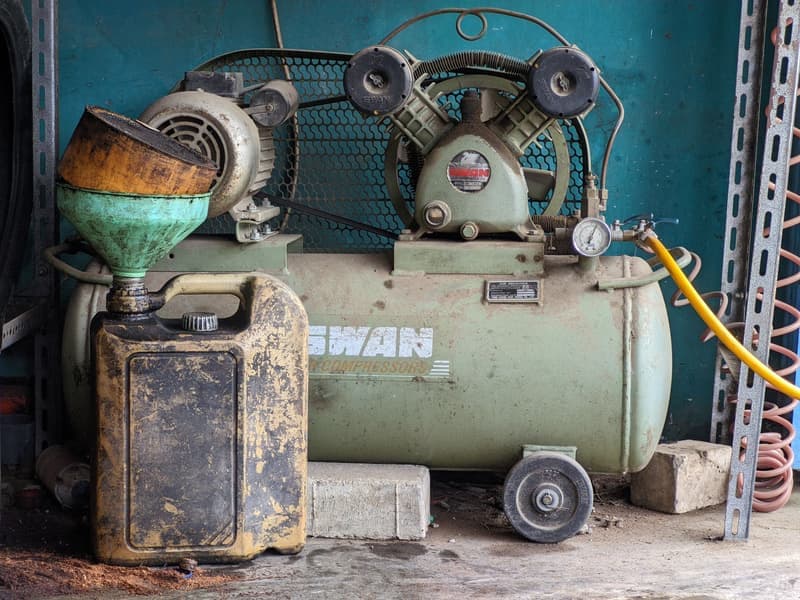
Best overall value
Porter-Cable C2002
The default answer to 'cheapest useful compressor'. 6 gallons, 2.6 CFM, 150 PSI, and it has been the same machine for years.
Check price on Amazon
#ad Disclosure - we do not publish prices we cannot verify
Air compressors / CFM / duty cycle
Right-sized budget air compressors for a home garage, chosen on tank size, CFM and duty-cycle math - and we tell you what each one cannot do.
62 pages. Prices verified daily.
Some links on this page are affiliate links. If you buy through one, Magoo Media Group earns a commission from the retailer at no extra cost to you. It never changes which product we rank first - how this site is funded.
Category winners
One winner per roundup, each linked to the comparison where it won. Ranked by the cheapest unit that genuinely clears its job's published CFM demand plus a 25% margin - never by price alone, and never by commission.
Best overall value
The default answer to 'cheapest useful compressor'. 6 gallons, 2.6 CFM, 150 PSI, and it has been the same machine for years.
#ad Disclosure - we do not publish prices we cannot verify
Best under $200
The default answer to 'cheapest useful compressor'. 6 gallons, 2.6 CFM, 150 PSI, and it has been the same machine for years.
#ad Disclosure - we do not publish prices we cannot verify
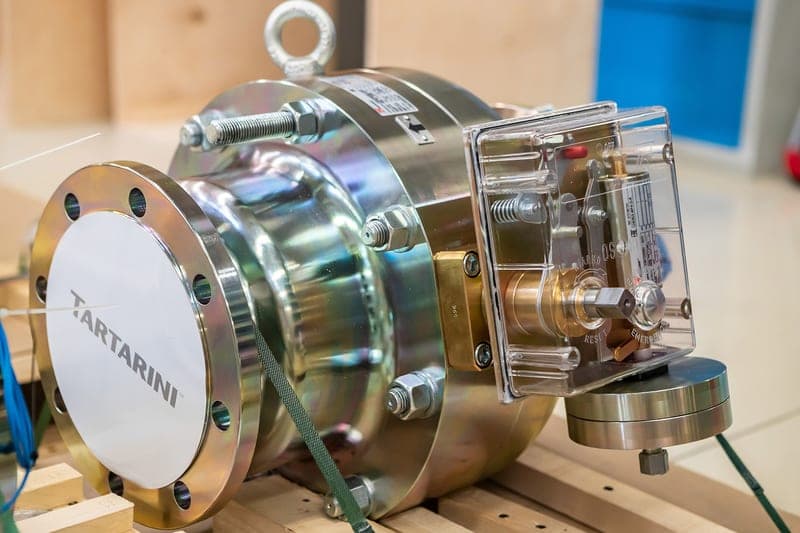
Best under $300
4.0 CFM at 90 PSI and 200 PSI max - the only 6-gallon unit here that breaks the 2.6 CFM ceiling.
#ad Disclosure - we do not publish prices we cannot verify
Best under $500
5.3 CFM at 70 dBA with a published 70/30 duty cycle. The first unit here that runs a continuous-duty tool.
#ad Disclosure - we do not publish prices we cannot verify
Best for a home garage
The default answer to 'cheapest useful compressor'. 6 gallons, 2.6 CFM, 150 PSI, and it has been the same machine for years.
#ad Disclosure - we do not publish prices we cannot verify
Best for air tools
4.0 CFM at 90 PSI and 200 PSI max - the only 6-gallon unit here that breaks the 2.6 CFM ceiling.
#ad Disclosure - we do not publish prices we cannot verify

Best pancake
165 PSI instead of 150, at 75.5 dBA and 30 lb. The extra 15 PSI is free tank storage.
#ad Disclosure - we do not publish prices we cannot verify
Quietest
5.3 CFM at 70 dBA with a published 70/30 duty cycle. The first unit here that runs a continuous-duty tool.
#ad Disclosure - we do not publish prices we cannot verify

Most portable
58 dBA published - the quietest unit in this roster. Same 0.7 CFM as the Senco, with a roll cage and a higher ceiling.
#ad Disclosure - we do not publish prices we cannot verify
Sections
12 pages
Twelve ways into the same question: which is the cheapest compressor that genuinely does your job? Ranked by price band, by use, and by tank size.
7 pages
This is the part of the category almost nobody explains for a home garage. Get the sizing right and the compressor decision makes itself.

4 pages
Most people know the job before they know the machine. These four pages start from the work and end at the cheapest compressor that genuinely covers it.

2 pages
An air tool is only as good as the compressor behind it, so every tool here is presented with the published CFM it needs and what that means on a budget machine.
6 pages
The cheapest parts of an air system have the largest effect on how it works. This is the section the rest of the category skips.
8 pages
Eight decisions people get stuck on, each with the published specs for both options and the products on both sides of the argument.

15 pages
The questions that come before and after choosing a compressor: whether to buy one at all, how to set it up, why it is misbehaving, and what to give someone who has one.
Why this site is different
Tool demand comes from Ingersoll Rand's published consumption chart and Engineering ToolBox, both linked. Product specs come from the manufacturer's own page. Where the two references disagree we print both figures rather than an average nobody published.
No unit on this site has been bench-tested, and no page implies otherwise. Several competitors in this category advertise expert reviews with nothing behind them. We would rather tell you our basis and let you check it.
Every score is computed from manufacturer specs by a formula written out in full on our methodology page, with every sub-metric shown on the product card. You can recompute any score by hand.
Every pick carries a limits section. A 2.6 CFM pancake breaks lug nuts and cannot run a die grinder, and saying so is more useful than a fifth positive bullet.
Read these first
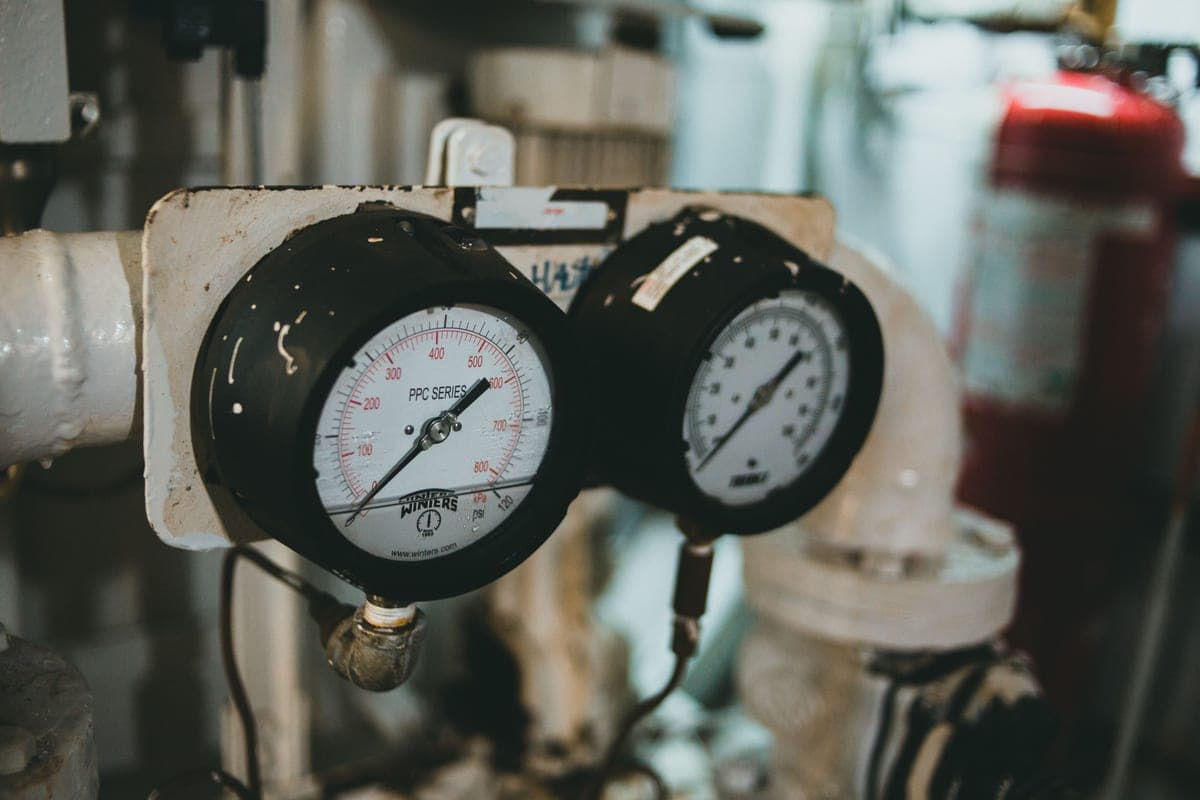
guide
Three steps, one formula, and worked examples for a DIY homeowner, a weekend mechanic and someone who wants to spray.
Top pick
Porter-Cable C2002
#ad Disclosure - we do not publish prices we cannot verify

reference
Published CFM at 90 PSI for every common air tool, with the source beside each number and the duty cycle that decides whether your tank covers it.
Top pick
Ingersoll Rand 231C
#ad Disclosure - we do not publish prices we cannot verify
Best overall value
Six picks ranked by the cheapest unit that clears a real CFM figure - and an explicit section on when to spend less.
Top pick
Porter-Cable C2002
#ad Disclosure - we do not publish prices we cannot verify

tool
Tick your tools, get a CFM floor with the arithmetic shown, and see which compressors in our roster clear it.
Top pick
Porter-Cable C2002
#ad Disclosure - we do not publish prices we cannot verify
Latest
FAQ
For nailing, tire inflation and burst impact-wrench work, a 6-gallon pancake at 2.6 CFM at 90 PSI. For sustained burst automotive work, a 20-gallon at 4.0 CFM. For continuous tools like ratchets and die grinders, 5 CFM and up. Start from your thirstiest tool's published demand and add 25%.
No, and this is the most expensive misunderstanding in the category. The tank stores air; the pump supplies it. A 30-gallon tank on a 3 CFM pump still cannot run a 5 CFM tool - it just takes longer to disappoint you.
For breaking fasteners loose, yes. Ingersoll Rand publishes 4.2 CFM average and 22 CFM at load for its 231C, and a 6-gallon tank has plenty of stored air for a one-second burst. It cannot let you hold the trigger down, which is fine for four wheels and limiting on a full brake job.
No, and we say so on every page. Our recommendations come from manufacturer-published specifications, two published engineering references for tool demand, and a scoring formula published in full on our methodology page. Nothing on this site implies hands-on testing that has not happened.
Because we have no live price feed for this site, and a number that might be months stale is worse than no number. Every buy control sends you to check the current price at Amazon, which is the only price that matters.
Psi & Hose is a participant in the Amazon Services LLC Associates Program. When you click a buy link on this site and purchase something, we earn a commission from the retailer at no extra cost to you. That is the only way the site makes money.
It never changes which product we rank first. Picks are ordered by the cheapest unit that clears a job's published CFM demand, which is why several pages recommend spending less, one recommends a 12V pump instead of a compressor, and several recommend an electric tool we earn nothing on.
Read the full affiliate disclosure, our methodology, and the editorial policy that covers corrections and review cadence.